Researchers improve weather forecasts looking two to six weeks out
An ML postprocessing layer made subseasonal (2-6 week) weather forecasts beat climate averages for the first time, doubling a…
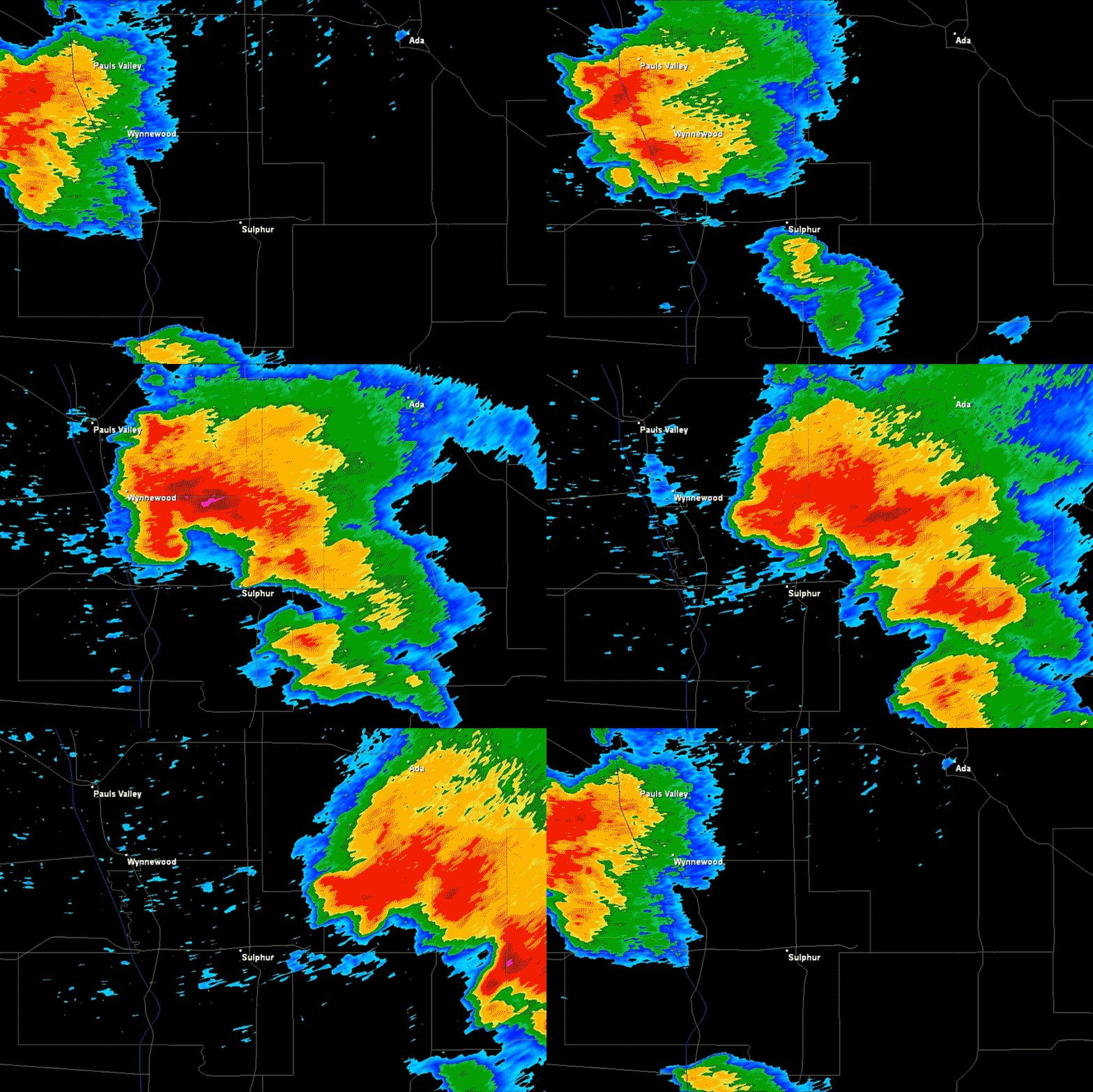
A team including MIT researchers built a machine-learning postprocessing layer that corrects errors in existing weather forecasting models, and when applied to ECMWF's model it doubled predictive accuracy in the 2-to-6-week "subseasonal" range and won a major ECMWF forecasting competition. Published in Nature, the technique is the first to beat long-term climatological averages in this notoriously unpredictable window and also improved extreme-weather prediction, with Kenya's meteorological office already reaching out to use it for monsoon forecasting.
Why it matters
Subseasonal forecasting (2-6 weeks out) has long been considered barely better than chance, limiting how far in advance farmers, energy operators and emergency planners can prepare for events like cold snaps, droughts or floods. A demonstrated, open-source, low-cost technique that reliably beats climatological baselines in this window is a genuine capability that didn't exist before, with direct implications for agriculture, energy supply planning and disaster preparedness.
What is verified
A machine-learning postprocessing model developed by MIT-led researchers doubled the predictive power of a leading dynamical forecasting model (ECMWF) in the two-to-six-week subseasonal range. [1]
The ECMWF-combined submission using this postprocessing layer placed first in an ECMWF forecasting competition. [1]
The approach is described in a new paper in Nature and is the first to show subseasonal forecasts beating climatological averages in that time range. [1]
The model also showed a statistically significant improvement in predicting extreme weather events, unlike ECMWF's own non-AI error-correction which got worse at this. [1]
The resulting model does not require a supercomputer to run, though it was built using MIT's Engaging supercomputing cluster. [1]
The meteorological office for the Republic of Kenya has reached out about implementing the model to improve monsoon season forecasting for agricultural yields. [1]
What is not
- No independent replication or third-party benchmark comparison beyond the ECMWF competition is cited.
- Exact quantitative accuracy figures (beyond 'doubled') and the competition's scoring methodology are not detailed.
- No information on compute cost, latency, or how easily other organizations could deploy this model in production.
- Not clear whether or how this technique could translate to any AI/software engineering workflow relevant to a software agency.
Sources
- 1MIT News — AInews.mit.edu · Primary source
Original source published 14 October 2026 at 17:00.
An AI-assisted briefing by Coding Partners. We link the evidence behind the reporting so you can explore the original work and assess the claims. How CP Signal works.